
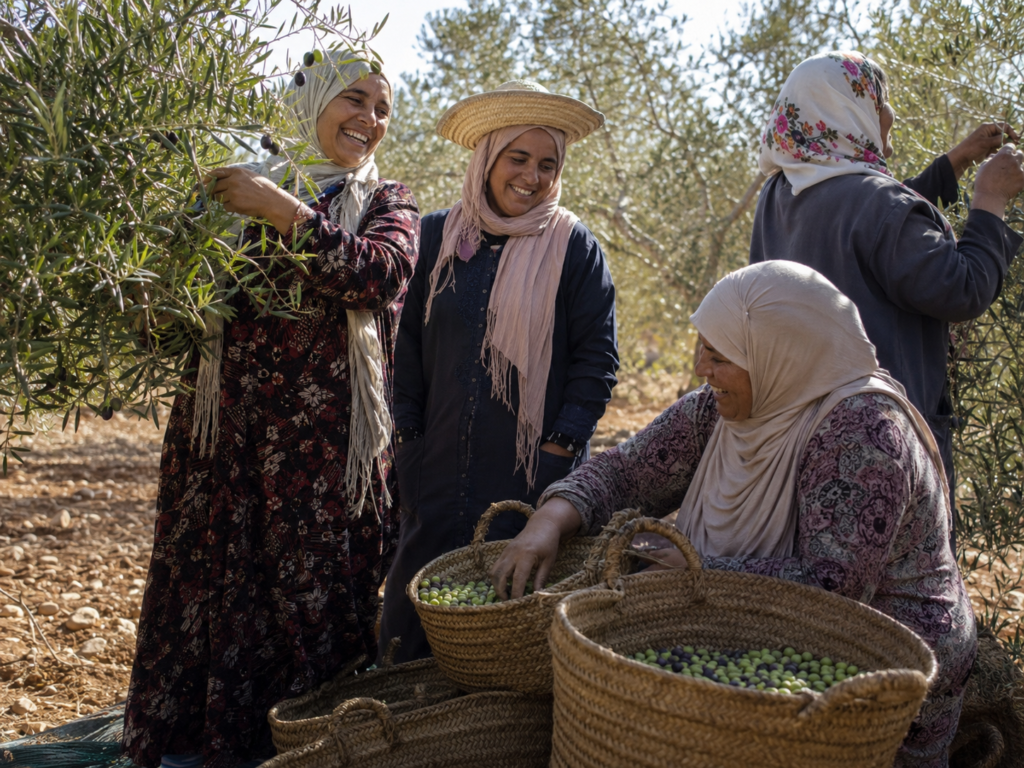
The WAGES project — a $2.1 million, 36-month initiative implemented by Deloitte Consulting Tunisia — is supporting 12 women-led agricultural cooperatives across the governorates of Béja, Jendouba, Sousse, and Nabeul, helping them build climate resilience and improve profitability through 2026.
Why women-led cooperatives matter to the sector
Women make up a significant share of Tunisia’s agricultural workforce, and cooperative models have proven effective at giving smaller producers — many of them women — access to better equipment, shared processing facilities, and stronger negotiating power with exporters and buyers.
The bigger picture
Programs like WAGES sit alongside broader FAO-backed efforts to modernize and diversify who participates in — and benefits from — Tunisia’s olive oil economy.
FAQ
Can international buyers source directly from Tunisian cooperatives? Many cooperatives export through partner brokers or exporters rather than directly, though some larger cooperatives handle export logistics themselves.
Does cooperative-sourced oil cost more? Not necessarily — pricing depends on grade and volume, not organizational structure, though some buyers specifically seek cooperative-sourced oil for supply chain and social-impact reasons.
Source: ILO, FAO, World Bank